How long to rest between sets, by goal
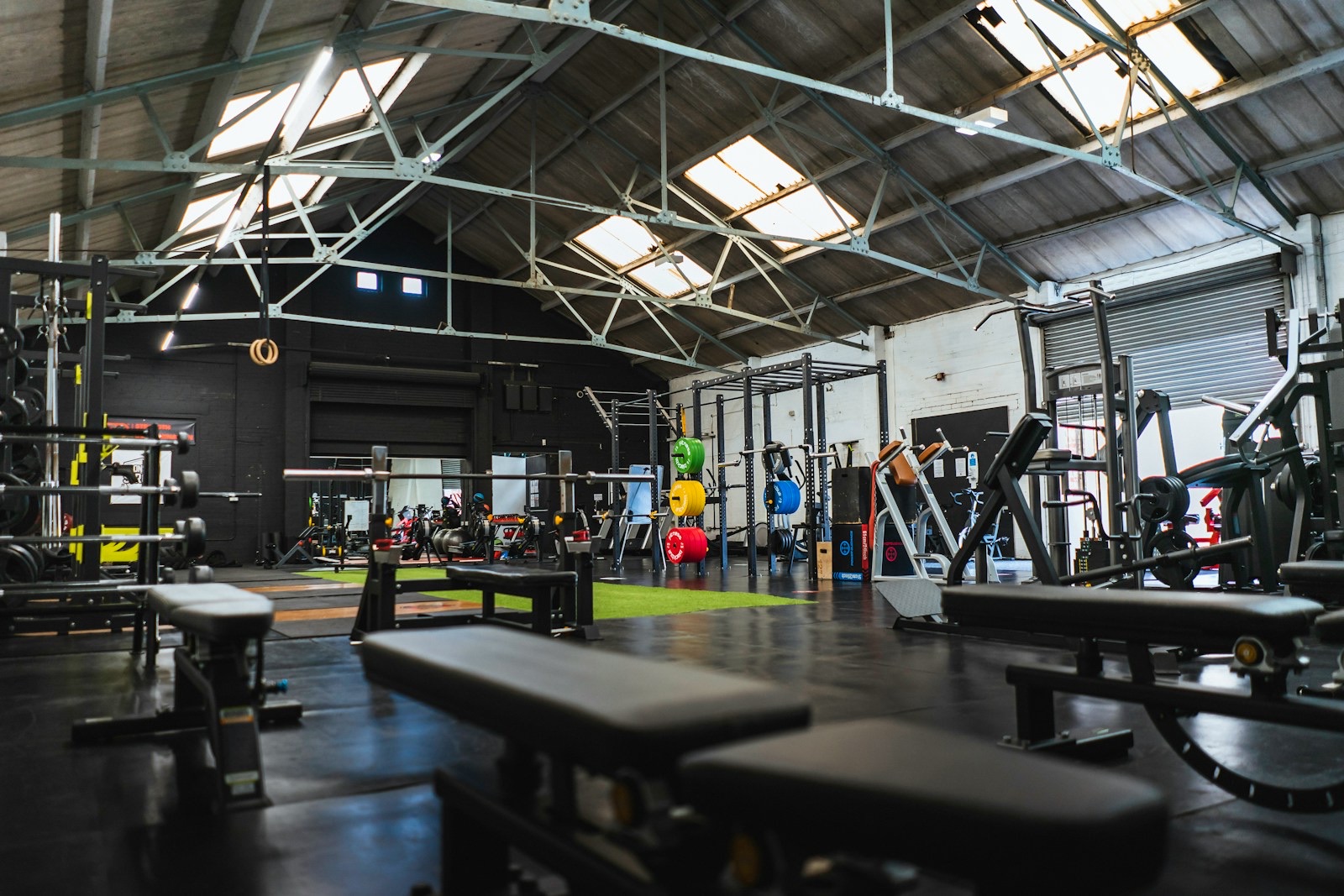
Rest 2 to 5 minutes between sets for strength, 1 to 3 minutes for muscle size, and 30 to 60 seconds for muscular endurance. Take the long end of each range on heavy compound lifts and the short end on isolation work.
These are widely used ranges, not laws. The reason they work is simple: the longer you rest, the closer you get to repeating your last set. The shorter you rest, the more reps you lose on every set after the first.
Rest by goal
| Goal | Rest between sets | Typical rep range | Notes |
|---|---|---|---|
| Strength and power | 2 to 5 min | 1 to 6 | Heavy singles and triples sit at the long end |
| Hypertrophy, compound lifts | 2 to 3 min | 6 to 12 | Squats, presses, rows, deadlifts |
| Hypertrophy, isolation lifts | 1 to 2 min | 10 to 15 | Curls, raises, extensions |
| Muscular endurance | 30 to 60 s | 15 and up | Expect lower loads |
If two ranges overlap, pick by the lift, not the label. A set of 8 on the squat needs more rest than a set of 8 on a cable curl, because the squat taxes the whole body and the curl does not.
Why longer rest preserves load
Heavy sets use up the fast energy stores in the working muscle and leave you breathing hard. A short rest returns some of that capacity but not all of it. Two to three minutes returns most of it. Five minutes returns nearly all of it.
On a compound lift, this shows up directly in the bar. Suppose you squat 100 kg for 8 reps on set one.
- With 3 minutes of rest, sets two and three might fall to 8 and 7.
- With 60 seconds of rest, they might fall to 6 and 4.
You can keep the 100 kg in the second case, or you can keep the reps. You usually cannot keep both. Heavy compound lifts also tax breathing and the stabilising muscles, which recover more slowly than the prime movers, so they reward patience more than any other exercise type.
Why short rest cuts later-set volume
Volume is sets times reps times load. If rest is too short, reps on sets two, three and four drop, and so does the total. Fewer hard reps per session is a real cost when your aim is to add strength or size.
Here is the same session with two rest lengths. Both use 4 sets of the bench press at 70 kg, aiming for 8.
| Set | 3 min rest | 1 min rest |
|---|---|---|
| 1 | 8 | 8 |
| 2 | 8 | 6 |
| 3 | 7 | 5 |
| 4 | 7 | 4 |
| Total reps | 30 | 23 |
The numbers are illustrative, and your own drop will differ. The pattern is consistent: the short rest costs about a quarter of the reps. To get the same work done on a short rest, you must lower the load or add sets, and both cost time back.
Some lifters get good results on shorter rests with lighter loads. Whether this builds as much muscle as longer rests with heavier loads is debated. If you are short of time, it is a reasonable trade, but know that you are making one.
Supersets as a time saver
If the clock is the problem, shorten the session without shortening the rest. Pair two exercises that do not compete and alternate them.
- Opposing muscles: bench press and a row, or a curl and a triceps extension.
- Upper and lower: a leg press and a seated press.
Do set one of exercise A, rest 60 to 90 seconds, do set one of exercise B, rest 60 to 90 seconds, and repeat. Each muscle still gets 2 to 3 minutes of recovery. You have done two exercises in the time it takes to do about one and a half.
Avoid pairing two lifts that load the same muscle or that tax grip or breathing in the same way, such as a deadlift and a heavy row. The second one suffers.
How to keep rest honest
Phones are the main way rest quietly grows. A 90-second break becomes five minutes. Start a timer when the set ends, not when you decide to start counting. Adjust it by lift:
- Heavy compound set: 3 minutes as a default.
- Light compound or machine set: 2 minutes.
- Isolation set: 60 to 90 seconds.
If your first rep of the next set is slow, you need more rest. If you are bored and fresh, you took too much.
Warm-up sets need little rest, 30 to 60 seconds is plenty. Save the long breaks for working sets, and extend them on the day a lift feels heavy. A lift that is going badly rarely improves by rushing the next attempt.
In GymYuz
GymYuz has a rest timer that keeps running with the screen off, and you can set your own sound for when it ends. Adjust the clock in 15-second steps with +15 and −15 s, and skip the rest with an earbud command when you are ready early. Log the rest you took with each set so you can see whether your shorter sessions cost you reps.
Join the waitlist on the home page to get the app when it opens.